FPV Drone Kits, Best FPV Drones for Beginners
🚀 Find the Right Drone for You
Not sure where to start? Choose the type of drone you’re most interested in below.
There’s a lot that goes into this hobby, so instead of just globbing all the gear onto one page, I organized it by the different types of drones in the hopes that it helps narrow things down and simplifies things. Please go ahead and click below on whatever you’re interested in, and it’ll take you to a page with more details and info!
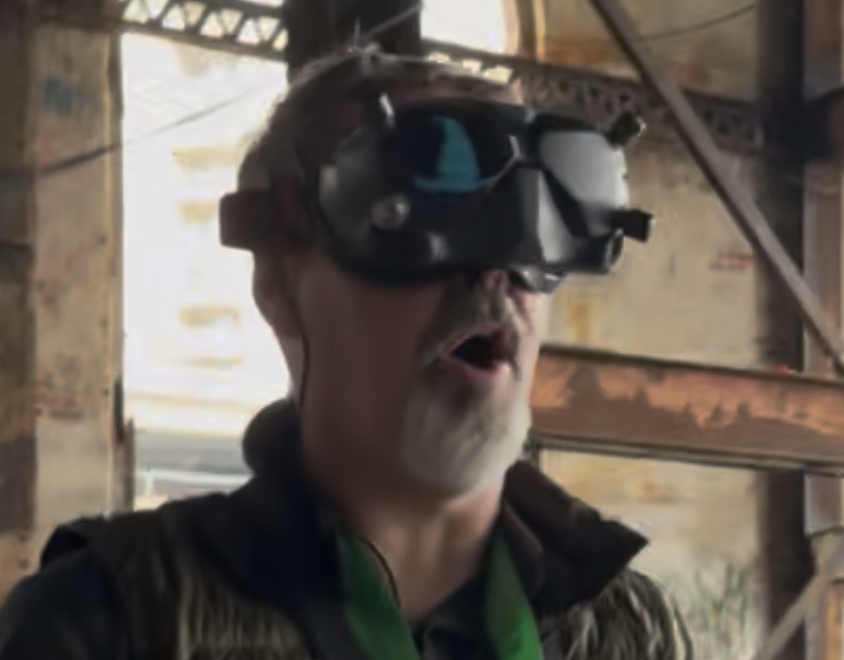
🎮 FPV Drone Kits
Manual, buildable kits and whoop drones for hobbyists and beginners.
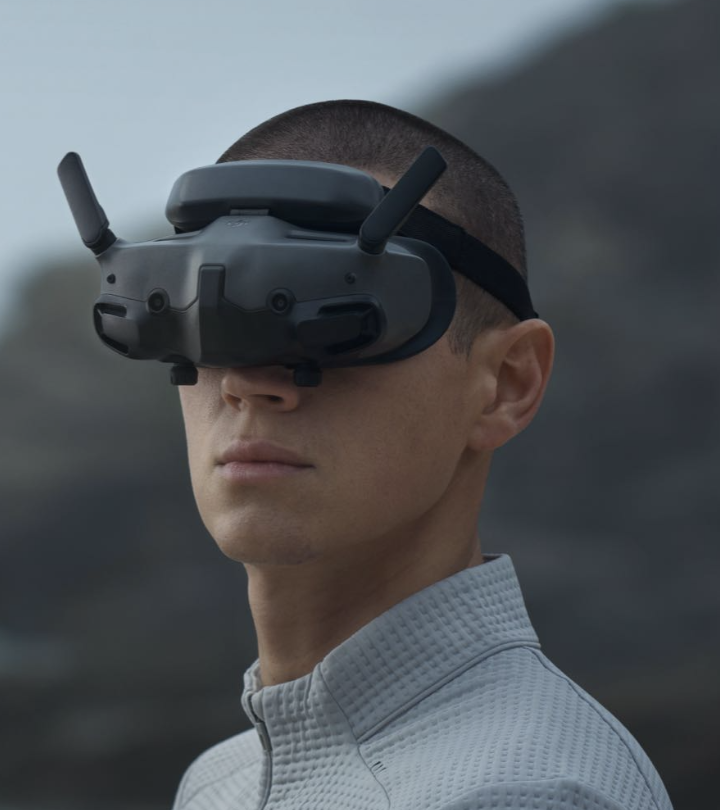
🕶️ DJI FPV Drones
Immersive flight with motion controllers and built-in safety features.

📸 Camera Drones
DJI Mini, Air, and Mavic drones for stunning photos and smooth video.
📝 Tip: Bookmark this page — we update it regularly with fresh drone deals.
Best FPV Drones for Beginners (2026)
If you’re brand new to FPV, the sheer number of options out there can feel overwhelming. I get it — I’ve been flying since 2015 and even I have to keep up with how fast things change. So I put together this guide to cut through the noise and point you toward the drones that are actually worth your money right now.
I’ve broken this down into three categories based on how you want to get into the hobby: RTF (Ready to Fly) kits that come with everything you need, BNF (Bind and Fly) drones for those who already have a radio and goggles, and DIY Build Kits for people who want to learn how drones actually work from the ground up (my personal favorite path for beginners, by the way).
Within each category, I’ve organized by size so you can find exactly what fits your situation — whether that’s a tiny whoop you can fly in your living room or a 5-inch freestyle quad you’ll be ripping around a park.
RTF Kits (Ready to Fly) — Everything Included
RTF kits are the fastest way to get in the air. You get the drone, a radio controller, and FPV goggles all in one box. Charge it up, bind it, and you’re flying. The trade-off is that the included radios and goggles are usually entry-level — they’ll get the job done to start, but most pilots upgrade those down the road. That said, these are legitimately a great way to find out if FPV is for you without spending a fortune on separate gear upfront.
Tiny Whoops (75mm) — Indoor/Outdoor
BetaFPV Cetus Pro Kit — This is about as entry-level as it gets and that’s not a bad thing. It’s a 1S brushless whoop that comes with the LiteRadio 2 SE and VR02 goggles. It has three flight modes (Normal, Sport, and Manual) so you can ease into acro flying at your own pace. If you’re on a tight budget or buying this for someone who’s never touched a drone, this is the one. Just know that the included goggles and radio are very basic — they’re meant to get you started, not to last forever.
Shop BetaFPV Cetus Pro Kit on GetFPV
BetaFPV Cetus X Kit (ELRS) — A big step up from the Cetus Pro. This is a 2S brushless whoop, which means noticeably more power, and it comes with the LiteRadio 3 radio and VR03 goggles. The Cetus X runs on ELRS, which is the radio protocol standard in 2026 — so if you upgrade your radio later, you won’t have compatibility headaches. This is the RTF kit I’d recommend to most people starting out.
Shop BetaFPV Cetus X Kit (ELRS) on GetFPV
EMAX TinyHawk III Plus RTF Bundle (Analog) — EMAX has been making beginner kits for a long time and the TinyHawk III Plus is their latest and best. This bundle comes with the drone, E8 ELRS radio, and Transporter 2 analog goggles. The TinyHawk III Plus can run on 1S or 2S batteries, giving you room to grow. Solid option if you want a proven platform with good community support.
Shop EMAX TinyHawk III Plus RTF Bundle (Analog) on GetFPV
EMAX TinyHawk III Plus RTF Bundle (HDZero) — Same drone and radio as above, but this one comes with HDZero digital goggles instead of analog. If you know you want to fly with a digital HD video feed from day one and don’t mind the higher price tag, this is worth looking at. The HDZero system has excellent low-latency performance that racers love.
Shop EMAX TinyHawk III Plus RTF Bundle (HDZero) on GetFPV
GEPRC TinyGO RTF Kit — GEPRC’s entry into the beginner RTF market. It’s a lightweight whoop that comes with their GR8 radio controller and a pair of 800×480 FPV goggles. Flight time is around 6 minutes, which is solid for a whoop. It’s a clean, simple package if you just want to unbox and fly.
Shop GEPRC TinyGO RTF Kit on GetFPV
GEPRC TinyGO 4K RTF Kit — Same package as the TinyGO above, but this version adds 4K recording capability. If you want to capture some footage while you learn (even if it’s just crashes — we’ve all been there), this is a nice bonus at a slightly higher price.
Shop GEPRC TinyGO 4K RTF Kit on GetFPV
2.5″ Outdoor — RTF
EMAX TinyHawk III Plus Freestyle RTF Bundle (Analog) — Once you’ve outgrown whoops and want to take things outside, this is a great next step. The TinyHawk III Plus Freestyle is a 2.5-inch quad with more power and better outdoor handling than a whoop. It comes with the same E8 ELRS radio and Transporter 2 goggles as the whoop version, so it’s still a complete all-in-one package. This is the bundle for someone who knows they want to fly outdoors from the start.
Shop EMAX TinyHawk III Plus Freestyle RTF Bundle (Analog) on GetFPV
EMAX TinyHawk III Plus Freestyle RTF Bundle (HDZero) — The HD digital version of the freestyle bundle above. Same drone, same E8 radio, but with HDZero goggles for a crystal-clear video feed. Premium price, premium experience.
Shop EMAX TinyHawk III Plus Freestyle RTF Bundle (HDZero) on GetFPV
BNF Drones (Bind and Fly) — Drone Only
BNF means you get just the drone — you’ll need your own radio transmitter and FPV goggles. This is the way to go if you already have gear or if you want to invest in quality equipment you’ll keep using as you progress (which I always recommend over the included stuff in RTF kits). A good radio like the RadioMaster Boxer or TX16S and a set of goggles will serve you across dozens of drones over the years.
Tiny Whoops (75mm-80mm) — BNF
BetaFPV Meteor75 Pro HD w/ P1 Air Unit (ELRS) — This is the newest and most advanced 1S whoop on this list. It features BetaFPV’s P1 Air Unit for 1080p/60fps live video, 1102 22000KV motors, and an ELRS receiver. If you’re going digital HD from day one and want the latest tech, this is the whoop to get. Pairs with DJI Goggles or compatible P1 receivers.
Shop BetaFPV Meteor75 Pro HD w/ P1 on GetFPV
BetaFPV Meteor75 Pro HD w/ DJI O4 (ELRS) — Same great Meteor75 Pro platform but running the DJI O4 Air Unit. This gives you DJI’s ecosystem for your video feed — buttery smooth HD with low latency. If you already have DJI Goggles 3, this is an easy choice.
Shop BetaFPV Meteor75 Pro HD w/ DJI O4 on GetFPV
BetaFPV Meteor75 Pro 2024 Analog (ELRS) — Not everyone wants or needs to go digital right away, and that’s totally fine. The analog Meteor75 Pro is a fantastic whoop at a lower price point. It runs a C03 camera with an onboard 400mW VTX and the same 1102 22000KV motors as the HD versions. Pair it with any analog goggles and you’re flying. Great budget option.
Shop BetaFPV Meteor75 Pro 2024 Analog on GetFPV
Happymodel Mobula7 HD w/ DJI O4 (ELRS) — Happymodel’s latest take on the micro whoop, now with DJI O4 and an 80mm wheelbase. It runs RS1102 10000KV motors and 45mm props for a smooth, responsive flight. A solid alternative to the Meteor75 if you like Happymodel’s build quality and design.
Shop Happymodel Mobula7 HD w/ DJI O4 on GetFPV
Happymodel Mobula7 1S Analog — A budget-friendly 75mm analog whoop with 0802 20000KV motors and a RunCam Nano 3 camera. This is one of the most affordable ways to get into whoop flying if you already have a radio and analog goggles. Simple, cheap, and fun.
Shop Happymodel Mobula7 1S Analog on GetFPV
EMAX TinyHawk III Plus BNF (ELRS) — Available in both Analog and HDZero versions. The TinyHawk III Plus is a proven 75mm whoop with 0802 15000KV motors and an F411 flight controller. EMAX has been refining this platform for years and it shows — it’s reliable, well-tuned out of the box, and flies great on both 1S and 2S batteries.
Shop EMAX TinyHawk III Plus BNF on GetFPV
2″-2.5″ Outdoor — BNF
EMAX TinyHawk III Plus Freestyle BNF (ELRS) — The outdoor step-up from the TinyHawk III Plus whoop. This 2.5-inch freestyle quad runs 12025 7000KV motors and 2.5-inch props for significantly more power than a whoop. Available in Analog or HDZero versions. If you want to fly outside and start learning freestyle tricks, this is a great size to start with — powerful enough to be fun, small enough that crashes aren’t expensive.
Shop EMAX TinyHawk III Plus Freestyle BNF on GetFPV
BetaFPV Pavo Pico II HD w/ DJI O4 (ELRS) — This is a tiny cinewhoop, not a freestyle quad — but it’s an incredible machine. Weighing only 53.7g with an 80mm wheelbase, it runs DJI O4 for stunning 4K/60fps recording. If your interest in FPV leans more toward cinematic flying and getting smooth footage (think: real estate, vlogs, creative shots), this is a phenomenal starting point. The flight time is around 6.5 minutes, which is excellent for something this small.
Shop BetaFPV Pavo Pico II HD w/ DJI O4 on GetFPV
DarwinFPV Tiny Ape Freestyle 2.5″ (ELRS) — DarwinFPV’s budget-friendly 2.5-inch freestyle quad. It uses an F411 AIO with built-in ELRS receiver and 600mW VTX. DarwinFPV is known for making affordable drones that punch above their weight, and the Tiny Ape Freestyle is no exception. A great option if you want an outdoor analog quad without breaking the bank.
Shop DarwinFPV Tiny Ape Freestyle 2.5″ on GetFPV
3″ Outdoor — BNF
DarwinFPV Baby Ape Pro V3 3″ (ELRS) — The Baby Ape has been one of the most popular beginner outdoor quads for good reason — it’s cheap, it’s durable, and it flies well. The V3 bumps the VTX power up to 1200mW and keeps the proven 1104 4300KV motors and Caddx Ant camera. This is a 3-inch toothpick-style quad that weighs only about 74g, making it nimble and forgiving for new pilots. It runs on 2-3S batteries and gets around 7 minutes of flight time.
Shop DarwinFPV Baby Ape Pro V3 on GetFPV
DIY Build Kits — Learn to Build and Fly
This is my favorite path for getting into FPV. Yes, it takes more time upfront. Yes, you’ll need to learn to solder. But building your own drone teaches you how everything works, which means when something breaks (and it will), you’ll know exactly how to fix it instead of being stuck. That skill alone will save you hundreds of dollars and countless hours of frustration over your FPV career.
The Joshua Bardwell DIY kits on GetFPV are the gold standard here. Joshua is one of the most respected voices in FPV and he’s put together complete kits with step-by-step video build guides that walk you through every single step. You don’t need any prior experience — just follow along. If you want to learn more about getting started with the tools and skills you’ll need, check out my soldering guide and tool kit recommendations.
Important note: These kits include everything to build the drone itself, but the radio receiver is sold separately (so you can match it to whatever radio you own). You’ll also need a radio, goggles, and batteries. If you don’t have those yet, check out my guides on the best FPV radios and best FPV goggles to get sorted.
3″ Sub-250g Build Kits (No FAA Registration Required)
These 3-inch kits build into sub-250g drones, which is a big deal — in the U.S., drones under 250g don’t require FAA registration for recreational use. That means less paperwork and more flying. They’re also just great little quads in their own right.
QAV-S 2 Sub-250 Joshua Bardwell SE 3″ — HD Ready — The newest 3-inch DIY kit from Joshua Bardwell. It features the Lumenier QAV-S 2 frame with a mono-plate arm design, Lumenier LUX HD AIO flight controller, and XILO 1404 motors. The “HD Ready” means you add your own digital VTX (DJI O3, DJI O4 Air Unit, or Walksnail — sold separately). Includes a full step-by-step build guide. This is the kit I’d point most beginners toward if they want to build and learn.
Shop QAV-S 2 Sub-250 JB SE 3″ HD Ready on GetFPV
QAV-S 2 Sub-250 Joshua Bardwell SE 3″ — Analog — Same frame and electronics as the HD Ready version above, but this one includes a complete analog FPV system (Caddx Ratel 2 camera, XILO Stax 5.8GHz VTX, and antenna). If you’re going analog to keep costs down or because you already have analog goggles, this is the one. Same great build guide included.
Shop QAV-S 2 Sub-250 JB SE 3″ Analog on GetFPV
5″ Freestyle Build Kits
5-inch is the “standard” size for FPV freestyle. These quads are powerful, fast, and can carry action cameras like a GoPro for cinematic footage. If you want the full FPV experience — ripping through gaps, doing power loops, and making videos that’ll blow people’s minds — a 5-inch build is where you’ll end up eventually. Might as well start here if you’re committed.
QAV-S 2 Joshua Bardwell SE 5″ — HD Ready — The latest 5-inch DIY kit featuring the QAV-S 2 frame with the X-Lock arm system (makes arm swaps incredibly easy), Xilo Stax V2 electronics, and a complete step-by-step video build guide. HD Ready means you add your own DJI O3, Walksnail, or similar digital system. This is the current best 5-inch beginner build kit available, period.
Shop QAV-S 2 JB SE 5″ HD Ready on GetFPV
QAV-S 2 Joshua Bardwell SE 5″ — Analog — Same QAV-S 2 frame and Xilo Stax V2 electronics, but includes the full analog FPV system (Caddx Ratel 2, XILO VTX, antenna). Lower total cost of entry since you don’t need to buy a separate digital VTX. Everything you need to build a complete 5-inch freestyle drone is in the box.
Shop QAV-S 2 JB SE 5″ Analog on GetFPV
JB V2 Freestyle Kit 5″ — HD Digital DJI — The previous generation Joshua Bardwell kit built around the XILO Phreakstyle frame with the Caddx Vista and Nebula Nano V2 digital system. Still a great kit and may be available at a lower price point since it’s the older version. The build guide is thorough and well-tested. If you find this one on sale, it’s an excellent value.
Shop JB V2 Kit 5″ HD Digital on GetFPV
JB V2 Freestyle Kit 5″ — Analog — The analog version of the V2 kit above. XILO Phreakstyle frame with XILO Stax V2 electronics and a complete analog FPV system. Another solid option, especially if you can grab it at a discounted price as the newer QAV-S 2 kits become the go-to.
Shop JB V2 Kit 5″ Analog on GetFPV
Which One Should You Pick?
Here’s my honest take:
If you’ve never flown anything before and just want to try FPV with minimum hassle, grab the BetaFPV Cetus X Kit (ELRS). It’s the best RTF kit right now. Unbox it, charge it, fly it. Done.
If you’re serious about learning FPV the right way and don’t mind investing some time upfront, buy a proper radio (like a RadioMaster Boxer ELRS), practice on a simulator for a few weeks, and then build one of the Joshua Bardwell QAV-S 2 DIY kits. You’ll learn more in that first build than months of just flying, and you’ll be a better pilot for it. This is the path I recommend to anyone who asks me in person.
If you’re somewhere in between — you have a radio and goggles already (or plan to buy good ones) — grab a BNF whoop like the BetaFPV Meteor75 Pro to learn indoors, then step up to a 3-inch or 5-inch build when you’re ready.
No matter what you choose, the most important thing is to get on a simulator first. I cannot stress this enough. Even a few hours on a sim will save you dozens of crashes and a lot of money. Check out my guide on the best FPV simulators to get started.
All product links are to GetFPV — a trusted US-based FPV retailer. Prices and availability may change. Last updated 2026.